Pennsylvania’s Infrastructure Earns C- Grade as Transit Struggles
Key Highlights
- Pennsylvania received an overall C- grade, with strong marks for aviation, energy and hazardous waste offset by poor performance in transit, drinking water, stormwater and wastewater.
- More than 12% of the state’s bridges are in poor condition, while more than 27% of state-owned roads are also rated poor, adding pressure to an already strained transportation network.
- Pennsylvania’s transit grade fell from D to D-, with SEPTA facing a $10 billion funding gap for state-of-good-repair needs and Pittsburgh Regional Transit reporting more than $2 billion in deferred capital needs.

From busy highways and aging bridges to the water systems running beneath its communities, Pennsylvania depends on an extensive network of infrastructure to keep people and businesses moving. But much of that network is getting older, and the cost of keeping it in working condition continues to grow.
Despite billions of dollars in recent infrastructure investments, Pennsylvania still has significant ground to make up. The American Society of Civil Engineers (ASCE) gave the state an overall grade of C- in its 2026 Report Card for Pennsylvania’s Infrastructure, one step below the national grade of C.
The report evaluates 17 infrastructure categories, including roads, bridges, transit, drinking water, wastewater, energy and aviation. While some areas have made progress, several critical systems continue to struggle with aging equipment, growing maintenance needs and limited funding.
A C- grade means Pennsylvania's infrastructure is generally meeting current demands, but may not be equipped to support future growth or withstand challenges such as extreme weather.
The results also reflect the strain of maintaining some of the oldest infrastructure in the country while serving one of the nation's most densely populated states. A shortage of experienced workers is adding to the challenge, as retirements among civil engineers and other infrastructure professionals continue to outpace the number of new workers entering the field.
Transportation Shows Progress, but Roads and Bridges Need Attention
Pennsylvania has made investments in its transportation network, and some areas are seeing encouraging results. Aviation received a B-, while rail earned a C+, making them two of the state's stronger infrastructure categories.
Private investment has helped expand airport capacity and improve operations. Recent projects include the new terminal at Pittsburgh International Airport and terminal expansions at Lehigh Valley International Airport.
Rail is also positioned for growth. Pennsylvania has the fourth-largest rail network in the nation, with more than $21 billion in capital projects planned through 2045 to expand and modernize the system.
Amtrak ridership across the state is expected to increase 21% between fiscal years 2025 and 2029. Meanwhile, Pennsylvania's rail lines moved approximately 170 million tons of freight in 2022, with demand continuing to grow.
Roads and bridges, however, face a different outlook.
Pennsylvania's roads received a C-, with more than 27% of state-owned roadways rated in poor condition. Congestion is also slowing freight and commercial traffic, creating challenges for businesses that depend on reliable transportation routes.
Bridges received a D+, although there has been some improvement. The percentage of bridges in poor condition declined from 13.8% in 2022 to 12.1% in 2025. That figure remains well above the national average of 6.8%.
Funding remains a concern. Pennsylvania's Act 89 transportation funding program provided approximately $2.4 billion annually for more than 3,800 projects, making it one of the state's most significant transportation initiatives.
But as infrastructure needs and usage continue to increase, the Pennsylvania Department of Transportation's Transportation Revenue Options Commission projects that the state's transportation funding gap could reach $12.6 billion by 2030.
Transit received the lowest grade of all 17 categories, earning a D-, down from a D in 2022.
The report points to a $10 billion funding gap for the Southeastern Pennsylvania Transportation Authority's (SEPTA) state-of-good-repair backlog and more than $2 billion in deferred capital needs for Pittsburgh Regional Transit's (PRT) system.
Parts of SEPTA's commuter rail system and PRT's light rail fleet have also exceeded their recommended useful life. Despite these challenges, transit remains an important part of daily life across the state. Pennsylvania transit agencies provided more than 528 million passenger trips and 2.2 billion passenger miles in fiscal year 2024, helping connect people with jobs, health care and education.
Energy Stands Out as One of Pennsylvania’s Strongest Categories
While several infrastructure categories received low grades, Pennsylvania's energy sector earned a B-, tying it for the highest grade in the report. That performance also stands well above the national energy grade of D+.
Pennsylvania is one of the country's leading energy producers. The state exported 87 million megawatt-hours of electricity in 2024 and supplies nearly 20% of U.S. natural gas production. It is also the nation's second-largest nuclear power producer and ranks among the top three coal-producing states.
Utilities are investing more than $1.6 billion in maintenance and grid improvements to strengthen reliability and accommodate additional power generation.
However, electricity demand is changing. The growth of data centers is creating new pressure on the state's power network. According to ASCE, a single data center can use as much electricity annually as 80,000 homes.
Pennsylvania's energy resources, access to cooling water and available land near existing power generation facilities make the state an attractive location for these developments. Meeting the additional demand will require continued attention to the capacity and reliability of the electric grid.
Long-Term Funding and Maintenance Remain Priorities
The federal Infrastructure Investment and Jobs Act (IIJA) provided more than $22 billion for over 1,200 projects across Pennsylvania. The funding supported improvements throughout the state, but ASCE says it is not enough to address the full backlog of infrastructure needs.
With the IIJA expiring on Sept. 30 and no long-term infrastructure plan in place to replace it, questions remain about how Pennsylvania will fund future improvements.
The report outlines five recommendations for raising the state's overall infrastructure grade. They include establishing reliable, long-term transportation funding, addressing water infrastructure needs, prioritizing routine maintenance and investing in workforce training.
ASCE also recommends making greater use of technology, including artificial intelligence, to improve project efficiency without compromising accuracy or quality.
Justin Komp, chair of the 2026 Report Card for Pennsylvania's Infrastructure, said the state's C- grade is not where the engineering community wants it to be. However, he pointed to improvements in several categories as evidence that targeted investments and more efficient project delivery can make a difference.
For Pennsylvania, the challenge now is building on that progress while addressing the infrastructure systems that continue to fall behind. Aviation, rail and energy show what investment can accomplish, but aging roads, bridges, transit and water systems still require substantial attention.
Without consistent funding, routine maintenance and enough skilled workers to deliver projects, the state's infrastructure needs could become even more difficult and expensive to address.
About the Author
 Karina Mazhukhina, Digital Content Specialist
Digital Content Specialist
Karina Mazhukhina has extensive experience in journalism, content marketing, SEO, editorial strategy, and multimedia production. She was previously a real-time national reporter for McClatchy News and a digital journalist for KOMO News, and ABC-TV affiliate in Seattle.
Related
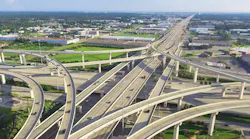 Expressway viaduct in Houston, Texas.