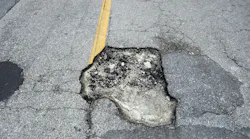
Why New York’s Infrastructure Is Falling Behind Despite Billions in Investment
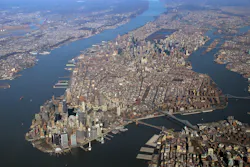
Aging bridges, deteriorating roads and water systems that have been in the ground for generations are putting growing pressure on New York’s infrastructure. Despite billions of dollars in recent investments, the state still faces a long list of repairs and upgrades needed to keep its transportation and public utility systems operating reliably.
That challenge is reflected in the latest infrastructure report card from the American Society of Civil Engineers (ASCE). The New York Section of ASCE gave the state an overall grade of C- in its 2026 Report Card for New York’s Infrastructure, down from a C in 2022.
The grade places New York below the national infrastructure average of C, which was assigned in ASCE’s 2025 Report Card for America’s Infrastructure. While a C- indicates that the state's infrastructure is still functioning, ASCE says significant improvements are needed to maintain long-term reliability.
The 2026 report evaluates 12 infrastructure categories, including roads, bridges, transit, drinking water, dams and stormwater systems. Three categories saw their grades decline since 2022, while eight remained unchanged. Stormwater was added as a new category in this year's assessment.
The results point to a common problem across the state: Infrastructure investment is making a difference, but it has not kept pace with the amount of work needed.
Roads, Bridges and Transit Continue to Face Challenges
For New York drivers, deteriorating road conditions are more than an inconvenience. They can mean higher vehicle maintenance costs, longer commutes and additional pressure on an already aging transportation network.
ASCE assigned New York's roads a D+, unchanged from 2022 and matching the national grade. The state has approximately 116,000 miles of roadways, with about 15,000 miles maintained by the New York State Department of Transportation (NYSDOT). Local governments are responsible for the remainder.
There has been some progress on state-maintained roads. The percentage of roadways rated in excellent condition increased from 17% in 2022 to 24% in 2024. Meanwhile, the share in poor condition fell from 10% to 8%.
However, road conditions remain a costly issue for motorists. Deteriorating roadways cost the average New York driver approximately $718 annually in additional vehicle operating expenses, according to ASCE.
Bridges received a C-, the same grade as the previous report card and below the national grade of C. Between 2022 and 2025, the percentage of bridges in poor condition increased from 9.5% to 9.9%. That figure also exceeds the national rate of 6.7%.
More than $18 billion has been invested in New York bridges over the past four years, with federal funding from the Infrastructure Investment and Jobs Act (IIJA) helping support projects across the state. Still, ASCE estimates that $74.5 billion is needed to bring all of New York's bridges into good condition.
Transit systems also received a D+, although that grade is better than the national D. New York continues to lead the nation in transit ridership, largely because of New York City, with ridership recovering to 85% of pre-pandemic levels.
Transit agencies, including the Metropolitan Transportation Authority (MTA), are working to modernize aging infrastructure. The MTA has $50 billion in state-of-good-repair investments planned over the next five years to address deteriorating assets and improve system reliability.
Aging Water Infrastructure Adds to the State's Challenges
The transportation network is not the only part of New York's infrastructure facing an uphill battle. Much of the state's drinking water system is also approaching or has already passed its intended design life.
ASCE gave drinking water infrastructure a C-, unchanged from 2022. Nearly 95% of New Yorkers depend on public water systems for their homes and businesses, making the condition of these networks essential to everyday life.
One of the biggest concerns is the age of the pipes carrying water throughout the state. Approximately 40% of New York's water pipes were installed before the 1940s. Some water systems also lose as much as 40% of treated water, partly because of leaking pipes.
Replacing aging infrastructure is expensive, and utilities must also prepare for the added costs of treating emerging contaminants such as PFAS. Workforce shortages and an accelerating retirement rate among experienced employees create additional challenges for water system operators.
Dams are another area of concern. Their grade dropped from a C in 2022 to a C- in the 2026 report.
New York has nearly 1,000 high- or significant-hazard dams, which could cause loss of life or property downstream if they fail. The average dam in the state is 86 years old, compared with the national average of 65 years.
ASCE estimates that approximately $3.4 billion is needed to rehabilitate the state's dams and bring them back into good condition. Current funding, however, covers only a fraction of that amount.
Billions in Investment Still Leave Major Funding Gaps
New York has received substantial infrastructure funding in recent years. The IIJA, passed in 2021, provided more than $30 billion for infrastructure projects throughout the state, helping communities address long-standing needs.
However, ASCE says that funding represents only a small portion of the state's overall infrastructure requirements. Decades of underinvestment cannot be addressed through short-term funding increases alone.
The IIJA expired at the end of September, and lawmakers have yet to pass a long-term surface transportation or infrastructure law. Without a predictable source of funding, state and local agencies may have a harder time planning major projects and preparing for future infrastructure needs.
Extreme weather is adding another layer of pressure. Many of New York's infrastructure systems were designed decades ago and were not built to withstand the frequency and intensity of weather events they face today. Aging assets, deferred maintenance, funding uncertainty and shortages of skilled workers are all contributing to the problem.
"New York's continued success in the global economy and the state's public health, welfare, and safety depend on reliable, robust, and resilient infrastructure built for the conditions and use we are seeing now and what we can expect in the future," said Andrea Hunt, PE, co-chair of the 2026 Report Card for New York's Infrastructure.
Hunt said the decline in the state's overall grade serves as a reminder of the importance of prioritizing infrastructure improvements.
What New York Needs to Improve Its Grade
ASCE outlined several steps the state can take to improve its infrastructure conditions, starting with more consistent, long-term funding for construction, maintenance and rehabilitation.
The organization also recommends prioritizing preventive maintenance rather than waiting until infrastructure reaches a critical condition. Better asset inventories and regular condition assessments can help agencies identify problems earlier and determine where investments will have the greatest impact.
Other recommendations include expanding workforce development programs, incorporating climate risks into infrastructure planning and improving coordination among government agencies, utilities and local communities.
For New York, the latest report card makes clear that recent investments have not eliminated the challenges facing its infrastructure. Roads, bridges, water systems and other public assets continue to require significant attention, and the cost of delaying improvements could make those challenges even harder to address.
The state may still be getting by with its existing infrastructure, but ASCE's C- grade signals that maintaining that level of service will require more than occasional funding increases. Long-term planning, consistent investment and a greater focus on maintenance will be critical to keeping New York moving.
About the Author
 Karina Mazhukhina, Digital Content Specialist
Digital Content Specialist
Karina Mazhukhina has extensive experience in journalism, content marketing, SEO, editorial strategy, and multimedia production. She was previously a real-time national reporter for McClatchy News and a digital journalist for KOMO News, and ABC-TV affiliate in Seattle.