The Hidden $1 Trillion Infrastructure Problem Facing America’s Cities
Key Highlights
- A new analysis cited by The Independent and based on Wall Street Journal reporting estimates U.S. cities face about $1.03 trillion in infrastructure repair needs across roads, bridges, water systems, and public buildings.
- The backlog is driven by decades of deferred maintenance, with older cities in the Northeast and Midwest facing the heaviest burdens compared to newer Sun Belt cities.
- Because deferred repairs are not always reflected in city balance sheets, the issue is often described as a hidden liability that can grow more expensive over time.
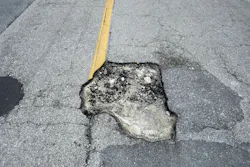
Roads, bridges, water systems, and public buildings are the backbone of everyday life in America. Most people don't think much about them until something goes wrong.
A new study suggests many communities may be getting closer to that point.
According to reporting by The Independent, which cited research from municipal finance expert Richard Ciccarone, the estimated cost of wear and tear on infrastructure across roughly 2,000 U.S. cities has reached $1.03 trillion. The figure reflects the growing backlog of repairs facing local governments as roads, bridges, buildings, and other public assets continue to age.
The estimate does not mean cities need to spend $1 trillion immediately. Instead, it attempts to measure how much infrastructure has deteriorated over time and how large the repair challenge has become.
Why the Problem Keeps Growing
Cities often face difficult budget decisions.
When money is tight, officials may delay road repairs, postpone building upgrades, or push maintenance projects into future years. That can help balance budgets in the short term, but it often makes repairs more expensive later. Pension obligations, debt payments, and other financial commitments frequently compete with infrastructure projects for limited funding.
Ciccarone's research argues that these deferred repairs represent a significant financial obligation, even though they typically do not appear as liabilities on city balance sheets.
A similar accounting shift occurred in 2014 when governments were required to more clearly report pension liabilities. That change altered how many cities' finances were viewed by investors and policymakers, according to the WSJ.
Some Cities Face Bigger Challenges Than Others
The study found that older cities in the Northeast and Midwest often face the largest repair burdens because much of their infrastructure was built decades ago and is approaching or exceeding its intended lifespan. Cities such as Philadelphia, Baltimore, and Milwaukee ranked among those facing some of the greatest long-term maintenance needs.
By contrast, several faster-growing Sun Belt cities performed better in the analysis because much of their infrastructure is newer.
The consequences of aging infrastructure can be serious. Recent years have seen high-profile failures, including drinking water system problems in Mississippi and bridge collapses that drew national attention to maintenance challenges across the country.
The Challenge Ahead
The findings arrive as infrastructure remains a major concern nationwide.
The American Society of Civil Engineers gave the nation's infrastructure a grade of C in its most recent report card. While that score improved from previous years, engineers continue to point to significant investment needs across transportation, water, energy, and public works systems.
Federal infrastructure funding approved in recent years has helped address some needs, but experts say the overall repair backlog remains enormous. The challenge for local governments is determining how to maintain critical infrastructure while also managing other financial obligations and keeping costs affordable for taxpayers.
For most Americans, the issue may seem invisible until a road deteriorates, a bridge requires emergency repairs, or a water system fails. The new study suggests that many cities are carrying a growing maintenance burden that will eventually need attention, whether through increased investment today or potentially higher costs in the future.
Sources: The Independent, WSJ
About the Author
 Karina Mazhukhina, Digital Content Specialist
Karina Mazhukhina, Digital Content Specialist
Digital Content Specialist
Karina Mazhukhina has extensive experience in journalism, content marketing, SEO, editorial strategy, and multimedia production. She was previously a real-time national reporter for McClatchy News and a digital journalist for KOMO News, and ABC-TV affiliate in Seattle.