Connecticut's Work Zone Speed Cameras Are Now Live. Here's What Drivers Need to Know
Key Highlights
- Connecticut has turned on speed cameras in three highway work zones and plans to expand the program to additional locations.
- Drivers caught speeding will receive warnings through July 5, with fines beginning July 6.
- State testing found more than 1.3 million vehicles exceeded work-zone speed limits, including thousands traveling faster than 85 mph.
If you're driving through a highway work zone in Connecticut this summer, you may want to pay a little closer attention to your speedometer.
The Connecticut Department of Transportation (CTDOT) has officially activated automated speed cameras in several highway construction zones as part of its "Know the Zone" program. State officials say the cameras are designed to reduce speeding in work areas where crews are often working just feet away from moving traffic.
The first cameras went live June 1 and will be introduced at additional locations around the state over time, according to CTDOT.
Where the cameras are located
The first three enforcement locations are:
- I-95 Exit 43 interchange in West Haven
- I-95 Exit 74 interchange in East Lyme
- Route 2 in Colchester
Drivers will see warning signs before entering an active camera zone, and CTDOT plans to expand the program to other work sites in the future.
No fines yet, but that's about to change
For now, Connecticut is giving drivers a chance to get used to the new system.
From June 1 through July 5, motorists who are caught speeding in camera-enforced work zones may receive a warning notice in the mail, but no fines will be issued.
Starting July 6, enforcement becomes more serious:
- First violation: Written warning
- Second violation within one year: $75 fine
- Drivers traveling 85 mph or faster: Immediate $75 fine, even if it's their first violation
The cameras are triggered when a vehicle is traveling at least 10 mph above the posted work-zone speed limit.
Why Connecticut is doing this
The state spent months collecting data before turning the cameras on, and the results showed speeding remains common in work zones.
Between March and May, more than 8.4 million vehicles traveled through monitored construction areas.
During that same period:
- About 1.36 million vehicles exceeded the posted work-zone speed limit
- More than 4,000 vehicles were recorded traveling faster than 85 mph
- More than 150 vehicles were clocked at speeds over 100 mph
Those numbers helped convince state officials that additional enforcement was needed.
"Work zone speed cameras are a proven tool to slow drivers down and discourage dangerous behavior," CTDOT Commissioner Garrett Eucalitto said when announcing the program.
How the cameras work
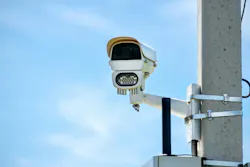
When a speeding vehicle is detected, the system uses radar technology to record information including the vehicle's speed, location, lane, date and time. Images of the rear license plate are also captured.
Before a warning or citation is issued, the information is reviewed by authorized Connecticut State Police personnel.
The program began as a pilot in 2023 before lawmakers approved permanent use of the technology in 2024.
Under state law, Connecticut can operate speed cameras at up to 15 highway work zones at a time. The cameras can only be used on roads with speed limits of at least 45 mph, and they are active only when construction work is taking place.
What happens if you get a ticket?
Unlike a traditional speeding stop, violations issued through the camera program will not add points to a driver's license and will not appear as moving violations on a driving record.
Money collected through the program will be used to cover operating costs and support transportation safety efforts.
CTDOT officials say the goal is not to hand out large numbers of tickets. The hope is that drivers will slow down once they know cameras are present, making work zones safer for both road crews and the people traveling through them.
For workers who spend their days alongside speeding traffic, even a small reduction in speed can make a big difference.
Source: Connecticut Transportation