Why Road and Bridge Construction Costs Are Rising in the U.S.
Key Takeaways
- U.S. road and bridge construction costs rank among the highest globally, driven by inflation, labor shortages and delays.
- Underinvestment and outdated funding sources — like stagnant fuel tax revenue — are widening the infrastructure gap.
- States can reduce costs by prioritizing maintenance, improving data systems and investing in their workforce.
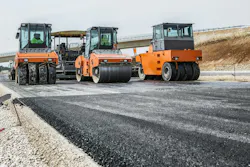
Road and bridge construction in the United States is becoming increasingly expensive, driven by several key factors including underinvestment and labor shortages at state transportation departments.
A study from the Pew Research Center identified five primary drivers behind rising construction costs, as states face an $86 billion shortfall over the next decade for maintaining road and bridge assets.
Transportation construction in the U.S. costs more than three times as much as in other upper- and middle-income economies, making it among the most expensive globally.
Factors Raising Costs
Investment in transportation infrastructure has declined since the early 2000s when adjusted for inflation. State and local spending has not kept pace with the rate at which infrastructure assets are deteriorating. According to Pew, the total underinvestment in roads and bridges has reached $105 billion.
The decline in funding has been compounded by a sharp rise in construction costs, which have increased by 70% since 2020, according to the Federal Highway Administration (FHWA). These increases are tied to higher material costs, labor shortages and increased demand.
At the same time, revenue from fuel tax — a primary source of transportation funding — has largely remained flat.
Yearslong review processes and administrative delays also contribute to rising costs, as project timelines stretch and conditions continue to deteriorate. According to FHWA estimates in 2003, large federally funded highway projects can take between nine and 19 years from planning to completion.
Labor shortages at state and local transportation agencies are another key factor. Many departments rely on outside consultants, which can increase costs and reduce control over project timelines, according to Pew.
The report cites research in California showing that losing just 1% of experienced engineers correlated with a 4.3% increase in project costs — costing significantly more than the savings from reduced payroll. Projects managed by state-employed engineers cost about 14% less than those managed by consultants.
In addition, many states lack a complete inventory of their road and bridge assets. Existing data often varies in definition and scope, making it difficult to assess conditions, set performance benchmarks and allocated resources effectively.
How States Can Manage Rising Costs
The report outlines several strategies to help states manage rising construction costs.
First, states should prioritize maintaining and repairing existing infrastructure while making targeted investments in new projects. Idaho is cited as an example, incorporating maintenance and preservation into its five-year transportation plan and achieving target condition levels across its assets.
Improving data systems is another key recommendation. Better tracking of roadway conditions and maintenance schedules can help agencies direct funding more efficiently and build public trust.
The federal government also offers programs to help states modernize construction methods and streamline permitting and review processes. Some states have entered agreements to take on their own environmental reviews, helping to shorten project timelines without reducing oversight.
Finally, the report emphasizes the importance of state transportation departments strengthening their workforce. Reducing reliance on consultants and investing in competitive pay and training for in-house staff can lead to significant cost savings over time.
Source: Pew Research Center
About the Author
 Jessica Parks, Staff Writer
Jessica Parks, Staff Writer
Staff Writer
Jessica Parks is a staff writer at Roads & Bridges with newsroom experience in Brooklyn, Long Island and the U.S. Virgin Islands, and several years spent living in Puerto Rico. She is currently based in Tulsa, Oklahoma.