Michigan Rolls Out Automated Speed Enforcement in Active Work Zones
Key Highlights
- Michigan is deploying automated speed cameras in construction zones, activated only when workers are present.
- Drivers traveling 10 mph or more over the limit face escalating fines, starting with a warning and reaching $300 for repeat offenses.
- The project is funded by citation revenue and expected to be fully implemented statewide by 2027.
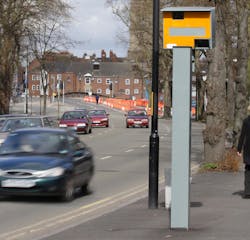
Michigan is rolling out automatic speed enforcement in active construction zones across the state, marking a shift in how work zone speeding violations are enforced.
Cameras are being installed in work zones and will only be activated when construction workers are present. according to reporting from ClickOn Detroit.
Michigan Gov. Gretchen Whitmer signed legislation into law permitting the Michigan Department of Transportation (MDOT) and Michigan State Police to deploy automated speed enforcement cameras in construction zones statewide, Bridge Michigan reported. Prior to the law’s passage, speeding tickets in work zones could only be issued if violations were observed by a police officer or reviewed by crash investigators.
Under the new system, vehicles traveling 10 mph or more over the posted speed limit will be cited. A first offense will result in a violation notice, followed by a $150 fine for the second offense and a $300 fine for a third offense, according to ClickOn Detroit.
The cameras use traffic sensors equipped with light detection and ranging (LiDAR) technology to detect vehicle speeds, Bridge Michigan reported. When a violation occurs, the system records an image of the vehicle’s license plate along with the time and location of the infraction.
Limits on enforcement and data use
The law restricts automated enforcement to four active construction zones within each of MDOT’s seven regions. Signage warning drivers of automated enforcement must be posted one mile ahead of any active enforcement zone, according to Bridge Michigan.
Revenue generated from citations will be deposited into a dedicated MDOT fund to support the automated work zone ticketing program. Data collected through the system may only be used for issuing and adjudicating violations and cannot be repurposed for other enforcement activities.
Drivers are permitted to dispute citations, including in cases where the registered vehicle owner was not driving at the time of the violation. All tickets issued through the program will be reviewed by an automated speed enforcement system operator, Bridge Michigan reported.
Cameras will be installed throughout the year, with full statewide implementation expected by 2027, according to ClickOn Detroit.
Sources: ClickOn Detroit, Bridge Michigan