Getting Started with IVM: 5 Quick Wins for DOTs
Key Highlights
- If you’re interested in using IVM on roadsides, try it first in roadside turf management.
- IVM uses selective herbicides alongside other vegetation control methods.
- Selective herbicides can help you experience quick wins when implementing IVM.
- Benefits include improved control, cost savings, and preservation of beneficial landscapes.
- Lessons from initial IVM experience can help you expand these benefits across your program.
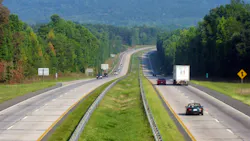

If your transportation department has been managing vegetation mostly through mechanical means, making the move to an integrated vegetation management (IVM) program might seem daunting. The good news is that IVM, by its very definition, is not an all-or-nothing proposition. A practical way to introduce IVM into roadside operations is to begin with your roadside turf management program. This use case also allows you — and important stakeholders — to experience the benefits of IVM in a short period of time.
Why try an IVM approach?
IVM combines multiple vegetation control methods to encourage populations of low-growing, beneficial plants that provide environmental benefits and are easier to maintain. This approach usually includes a combination of mechanical, chemical, biological, and cultivation solutions.
IVM can be especially useful for roadside vegetation management because of the sheer variety of landscapes involved, from medians in urban areas to rural roads adjacent to farms and natural areas. Because it’s inherently flexible, IVM offers managers a range of solutions that can be matched to the landscape and vegetation challenges.
Zone 2 roadside turf areas make an effective test case for IVM because they tend to require frequent maintenance. Although mowing may seem like the simplest solution, IVM using selective herbicides can streamline your management. Here are five IVM benefits you’re likely to notice right away, along with long-term advantages.
Benefit #1: Gain fast, lasting control
Treating roadside turf areas with selective herbicides provides rapid control of broadleaf weeds and invasive species such as kudzu. The right herbicide combination can also offer residual control, reducing the number of applications needed each season.
When selecting your weed control mix, consult a trusted advisor. Reach out to your Corteva Agriscience Vegetation Management Specialist. You can find your specialist at VegetationMGMT.com/specialist.
Benefit #2: Mow less, save more
A selective herbicide program for rights-of-way costs roughly one-third of typical mowing costs. And since selective herbicides promote landscapes where beneficial vegetation can flourish, both mowing and spraying needs may be reduced over time.
If you’re trying IVM in select locations, compare the costs of your IVM program with mowing alone across a season. How much could you save by implementing IVM across your entire roadside turf management program?
Benefit #3: Preserve beneficial vegetation
Mowing creates a tidy appearance, but it doesn’t allow you to choose which plants to control. Selective herbicides, however, help maintain beneficial, native vegetation that supports pollinators, improves visual appeal, and may be more fire-resistant — all of which benefit the landscape in the long term.
HighNoon® herbicide is an example of a selective herbicide that works well in an IVM approach because it controls more than 140 weeds while demonstrating safety on grasses, forbs and other beneficial plants.
Benefit #4: Protect soil and ground cover
Mowers can sometimes be rough on the ground itself. Heavy equipment can damage soil, create ruts, and disturb ground-nesting wildlife. Ruts leave bare patches where weeds can’t wait to move in. Herbicide application by backpack sprayer or from the edge of the road helps reduce wear and tear on the ground.
Benefit #5: Expand on what you learn
Trying IVM in roadside turf areas gives you knowledge and insight to apply in other parts of your operation. As you refine your combination of methods and identify the right herbicides to use in your program, you can look at expanding your IVM program to more landscapes, such as Zone 3, where selective herbicides can also help you tackle woody and brush species.
If you’ve been curious about implementing an IVM program, start simple and small with a few roadside turf management locations. Work closely with your herbicide advisors to determine the right mixture of products and how selective herbicides should fit with other practices in your program. By building on early success, you can bring the benefits of IVM to more of the areas you manage. Your Corteva Vegetation Management Specialist is a great place to start. You can find your specialist at VegetationMGMT.com/specialist.