America Spent $1.5 Trillion on Roads. Here’s Why Many Still Aren’t Getting Better
Key Highlights
- About 16.3% of federally eligible roads were still in poor condition in 2024, only a small improvement from 19% in 2018.
- States added nearly 113,000 new lane-miles of roadway between 2018 and 2024, increasing long-term maintenance obligations by an estimated $5.3 billion annually.
- Researchers say the issue is not a lack of funding, but how transportation dollars are spent, with many states still prioritizing expansion over repair.
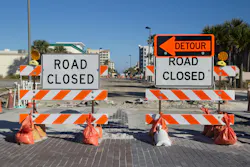
For decades, politicians in Washington have promised to “fix America’s crumbling roads and bridges.”
But a new national analysis from Transportation for America and Taxpayers for Common Sense says the country still is not seeing much progress, even after years of record transportation spending.
Over the past 30 years, the federal government has spent more than $1.5 trillion on transportation projects. Yet as of 2024, about 16.3% of federally eligible roads across the country are still considered to be in poor condition.
That number is only a modest improvement from 2018, when roughly 19% of roads fell into the same category.
More Money, But Many Roads Still in Bad Shape
The study, titled Repair Priorities 2026, looked at how federal and state transportation dollars were spent between 2018 and 2024 and whether those investments actually improved road conditions.
During that period, states spent an average of 39% of their transportation funding on repairs and about 25% on road expansion projects.
At the same time, states continued adding more roads.
Nearly 113,000 new lane-miles were added nationwide between 2018 and 2024. That is enough roadway to stretch across the United States about 45 times.
While new roads can ease congestion and support development, they also create long-term maintenance costs. The analysis estimates those new lane-miles added roughly $5.3 billion in new yearly maintenance obligations.
The Bigger Problem May Be How Money Is Spent
The findings argue the issue is not necessarily a lack of funding, but how transportation dollars are being used.
Researchers estimate the country needs about $43.2 billion each year just to keep the federal-aid highway system in acceptable condition. That includes:
- $32.6 billion annually to maintain roads already in decent shape
- Another $10.6 billion to address the existing repair backlog
Meanwhile, Congress authorized $56.8 billion from the Highway Trust Fund in fiscal year 2024 alone.
The authors say that should theoretically be enough money to repair the system, but federal law does not require states to prioritize repairs before building new roads or expanding highways.
Beth Osborne, president and CEO of Smart Growth America, criticized the way transportation funding is handled, saying taxpayers have repeatedly been promised better roads without seeing major results.
Steve Ellis, president of Taxpayers for Common Sense, echoed those concerns, arguing that Congress has not created enforceable rules requiring repair work to come first.
Some States Improved While Others Fell Behind
Road conditions varied widely from state to state.
According to the findings:
- 31 states improved the condition of their roads between 2018 and 2024
- 17 states saw the percentage of roads in poor condition increase
- Improvements in many states were relatively small
Bridges showed somewhat better progress nationwide. The percentage of bridges considered to be in poor condition dropped from 7.6% in 2018 to 6.7% in 2024.
Still, more than 41,700 bridges across the country remain in poor condition and need major repairs or rehabilitation.
Construction Costs and Backlogs Continue to Grow
Even in places where conditions improved, rising construction costs and years of delayed maintenance are making it harder for states to catch up.
Transportation agencies are also balancing competing priorities. Expanding highways can support economic growth and ease traffic in fast-growing areas, but every mile of new roadway eventually needs repairs, resurfacing, and ongoing upkeep.
The analysis warns that unless Congress changes federal transportation policy, the repair backlog will likely continue growing.
What the Findings Recommend
The groups behind the analysis called for several changes to federal transportation policy, including:
- Requiring measurable improvements in road conditions tied to federal funding
- Prioritizing repairs before allowing major roadway expansion projects
- Improving transparency around how transportation money is spent
The overall message is simple: despite historic transportation spending, the condition of many American roads still is not improving fast enough, and adding more roads may be making the long-term problem even harder to solve.
Source: Transportation for America and Taxpayers for Common Sense
About the Author
 Karina Mazhukhina, Digital Content Specialist
Karina Mazhukhina, Digital Content Specialist
Digital Content Specialist
Karina Mazhukhina has extensive experience in journalism, content marketing, SEO, editorial strategy, and multimedia production. She was previously a real-time national reporter for McClatchy News and a digital journalist for KOMO News, and ABC-TV affiliate in Seattle.