Bareground Best Practices
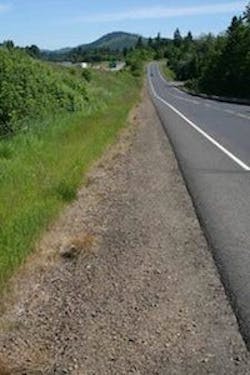
Performing routine bareground herbicide applications is instrumental in maintaining roadside safety and appearance. It helps eliminate unsightly plants that can obstruct right-of-ways and damage infrastructure.
Safety is the most important component of bareground control, Crop Production Services Territory Manager Mark Hansen said. If plant life is left unattended, certain weed species could actually crack the asphalt.
Driver visibility also is at risk. Stop signs and other road markings may be obstructed by certain brush species, which can even affect drainage system efficiency.
“When grass grows right up to the edge of the road, water doesn’t move off the road as it usually would, and you get puddles,” Hansen said. “If somebody hits the water, they can hydroplane, causing severe accidents.”
Hansen has worked in the bareground application industry for most of his adult life. Managing territories in western Washington, northern California, and the state of Oregon, he has seen his fair share of roadside vegetation management gone awry.
“Cheatgrass is a major problem,” he said. “Every year we’ll see a big [RV] up in smoke because it pulled to the side of the road where there weren’t proper controls of the grass.”
Exposed engines, discarded cigarettes, or even malfunctioning electrical equipment can cause this grass to go up in flames, which is extremely dangerous for travelers and an unwanted cost burden on taxpayers who pay for roadside repairs.
“If weeds are controlled where guardrails are, it can prevent a lot of fires and accidents,” Hansen said.
Environmental concerns may prevent some state organizations from using herbicides to maintain right-of-ways; the effect of chemicals on groundwater and other wildlife are among concerns. Newer treatment options, Hansen said, are aiming to make solutions more efficient, reducing exposure time while increasing single-dose effectiveness.
“The most economical and safest way to take care of a right-of-way is by using herbicides,” he said. “Currently, we are down to 59.5 ounces to the acre so there is a lot less active ingredient being put into the ground.”
Below are a few tips Hansen suggests for a successful bareground application regimen:
No. 1: ID the weed. In order to choose the best treatment approach, you need to know what weeds you are trying to get rid of.
No. 2: Timing is everything. It is important to treat the area before plants have begun to sprout and especially before they produce seedheads.
No. 3: Equipment preparation. “Make sure the spray equipment is properly calibrated and the herbicide rates are examined,” Hansen suggested. “When you select a chemical, make sure it controls the weeds you’re going after.”
No. 4: Reapply as needed. Check the site to see whether a repeat application is required to check unwanted regrowth or new plants.